How AI Could Change B2B Quoting and Procurement
AI can support pricing guidance, quote scoring, product alternatives and margin protection across the quote to cash workflow, without replacing the people who own the relationship.
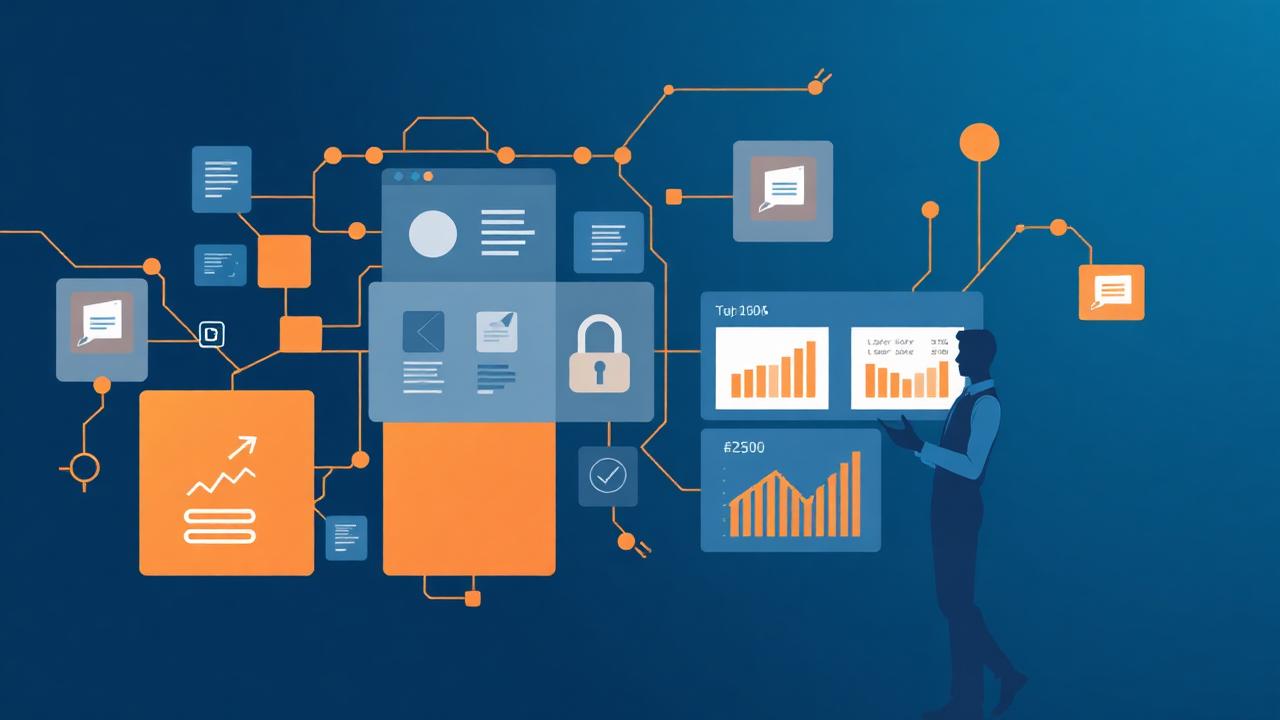
AI in B2B commerce is not really about replacing sales reps. The relationships, the judgment calls on strategic accounts and the negotiation moments still belong to people. AI is about giving those people sharper signal, faster, on the parts of the job that are repetitive and error prone.
On the seller side, that signal looks like a recommended price range based on similar past deals, an anomaly flag when a proposed discount would push margin below the floor, alternative SKU suggestions when stock is short on a requested item, and a policy conflict warning before a quote leaves the building with terms that contradict an existing contract.
Procurement teams benefit from the same lens, just pointed in the other direction. Faster matching of incoming requests against approved catalogs, automated comparison of equivalent items across supplier tiers, predictable lead time estimates that take seasonality and historic delivery patterns into account, and a clearer view of which suppliers are actually delivering against their commitments.
There is also a quieter benefit that does not show up in a feature list, which is the ability to summarize long quote threads and contract histories so that a new rep picking up an account does not have to read every email from the last two years to understand what was agreed and why.
Done well, AI removes judgment free drudgery and concentrates human attention on the deals that actually move the number. Done badly, it becomes a recommendation engine nobody trusts because it never explains why it suggested what it suggested. The difference is whether the model is grounded in your own pricing rules, your own contract terms and your own historical data, or whether it is offering generic guidance based on patterns it learned somewhere else.
For Shopify Plus B2B specifically, the most useful AI features are the ones that sit inside the quote to checkout workflow rather than alongside it. A pricing suggestion that lives in the quote builder, an approval risk score that lives in the approval queue, and a contract rule check that runs automatically at checkout are far more valuable than a standalone assistant that lives in a separate tab.
About the publisher
TradeQuote AI is built by JTrade Help Technology, a Toronto based software company founded in 2023. Our engineering team brings many years of hands on experience delivering and operating enterprise software systems, and we actively collaborate with other Canadian software vendors that build and implement ERP platforms. Our team has hands-on experience with enterprise software and ERP-driven workflows involving systems such as NetSuite, SAP, Odoo, Zoho, and other business platforms, which gives us a practical view of how Shopify B2B needs to connect into the rest of the procurement and finance stack.
Are you solving this problem in your Shopify B2B workflow?
Join the TradeQuote AI validation program and help shape an enterprise-grade quote-to-checkout layer for Shopify Plus.
Apply for Early AccessRelated articles
Most B2B buying decisions happen before checkout. Quote requests, approvals, contract terms and procurement rules shape the order long before any payment begins.
Read article
Manual quoting creates hidden operational costs across sales, finance, operations and customer experience. Most teams underestimate how much margin and time it consumes.
Read article