
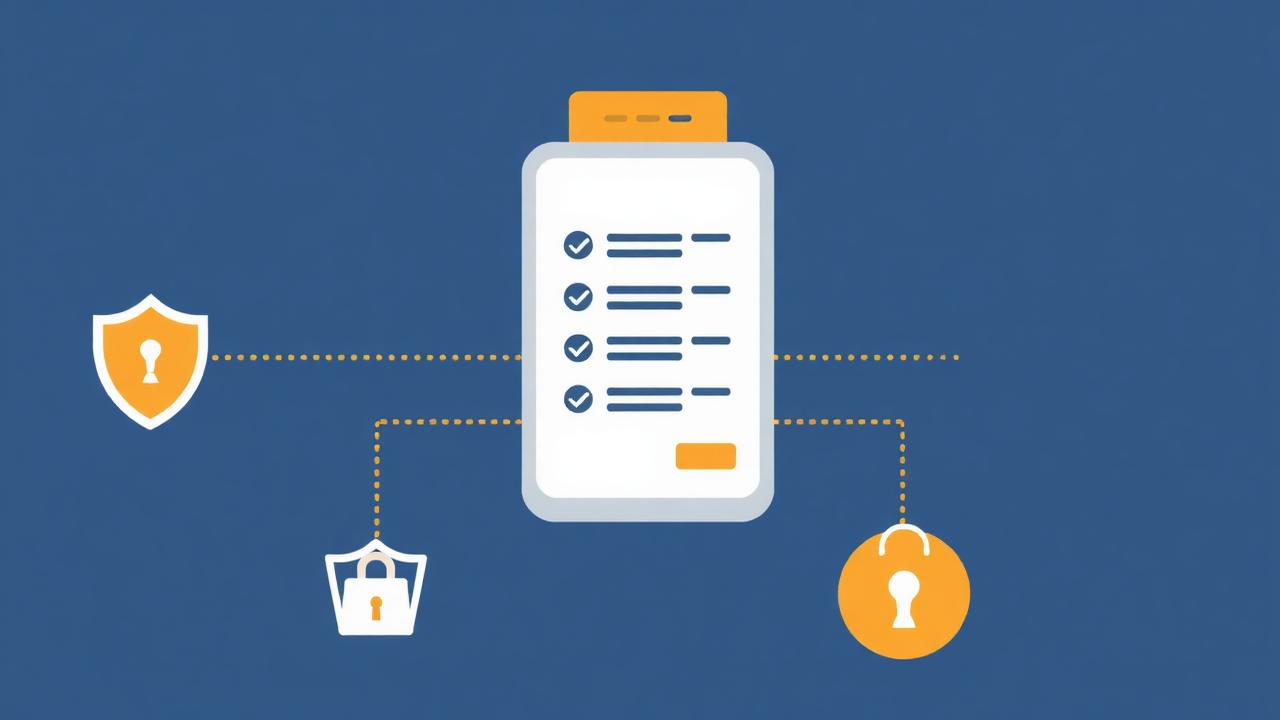
Contract Rules, Approvals and Checkout Enforcement in Shopify B2B
B2B commerce requires more than a cart. It requires enforceable rules that connect contract terms, approvals and checkout so that revenue is governed instead of trusted.
Every B2B contract is, at its core, a set of rules. Who can buy what, at which price, under which payment terms, requiring whose approval, with which minimum order quantities and which delivery commitments. If those rules live only in a signed PDF in a shared drive, they are suggestions rather than guardrails.
To actually govern revenue, the same rules must be enforced at the moment money moves. Minimum order quantities checked when the cart is built, tier pricing applied based on the buyer's company record, purchase order requirements blocking checkout when no PO number is present, net term options shown only to buyers who are entitled to them, and customer specific catalogs that hide products the buyer is not allowed to see.
When those checks happen in someone's inbox instead of in the storefront, the rules break in predictable ways. A buyer orders below MOQ because nobody noticed. A discount gets applied that does not match the contract because the rep was rushed. A net sixty option is offered to a buyer who is supposed to be on prepayment because two different tabs were open. None of these are malicious, all of them cost real money over time.
Enforcement at checkout is what separates a quote tool from a quote to cash workflow. It is also what turns Shopify Plus from a B2B capable storefront into something a procurement team can treat as a procurement grade platform, with the same expectations they would have from a dedicated enterprise system.
Approvals deserve the same level of structure. An approval is not just a person clicking a button. It is a decision that needs context, including who requested it, what the financial impact is, how it compares to similar past decisions, and what the service level expectation is for getting it done. When approvals are tracked as first class events in the same system that issues the quote, the audit trail finance needs is already there as a by product of the workflow.
The end state is not complicated to describe. The contract you signed should be the contract the buyer experiences in the storefront, with no gap between the agreement and the order. Everything in the quote to checkout layer should exist to make that statement true automatically, instead of relying on people to remember and enforce it by hand.
About the publisher
TradeQuote AI is built by JTrade Help Technology, a Toronto based software company founded in 2023. Our engineering team brings many years of hands on experience delivering and operating enterprise software systems, and we actively collaborate with other Canadian software vendors that build and implement ERP platforms. Our team has hands-on experience with enterprise software and ERP-driven workflows involving systems such as NetSuite, SAP, Odoo, Zoho, and other business platforms, which gives us a practical view of how Shopify B2B needs to connect into the rest of the procurement and finance stack.
Are you solving this problem in your Shopify B2B workflow?
Join the TradeQuote AI validation program and help shape an enterprise-grade quote-to-checkout layer for Shopify Plus.
Apply for Early AccessRelated articles
Most B2B buying decisions happen before checkout. Quote requests, approvals, contract terms and procurement rules shape the order long before any payment begins.
Read article
Manual quoting creates hidden operational costs across sales, finance, operations and customer experience. Most teams underestimate how much margin and time it consumes.
Read article